Shampoo is a fundamental part of maintaining hair and scalp health, but not all shampoos are created equal. The beauty market is filled with a wide range of options, each designed for specific hair types, needs, and lifestyles. From classic cleansing shampoos to specialized formulas for color-treated, curly, or sensitive scalps, choosing the right product can make a noticeable difference.
This guide explores the many types of shampoo available, focusing on how to match formulas with individual hair textures, concerns, and care goals. Whether someone is a salon professional or simply looking to upgrade their daily routine, understanding shampoo categories and their unique benefits is essential for effective, results-driven hair care.
At the heart of every hair care routine is shampooing—the step that sets the foundation for clean, vibrant, and healthy hair. Shampoo isn’t just about washing away visible dirt; it plays a key role in removing excess oil, styling residue, and environmental particles that build up on the scalp and along the hair shaft.
Good scalp hygiene achieved through the right shampoo helps create the best environment for hair growth and resilience. When hair is clean and the scalp is balanced, conditioners and other treatments can deliver their benefits more effectively, improving shine, strength, and manageability.
The type of shampoo you choose can greatly influence results. Different ingredients, cleansing abilities, and moisture levels cater to fine, coarse, curly, or chemically-treated hair. Recognizing these differences makes it easier to meet individual hair needs—whether the goal is volume, hydration, color protection, or scalp comfort.
A thoughtful approach to choosing and using shampoo protects natural oils and keeps both hair and scalp in optimal condition. The upcoming sections provide deeper insights into the science of how shampoo works and a closer look at what goes into modern formulas, setting you up for an informed hair care routine.
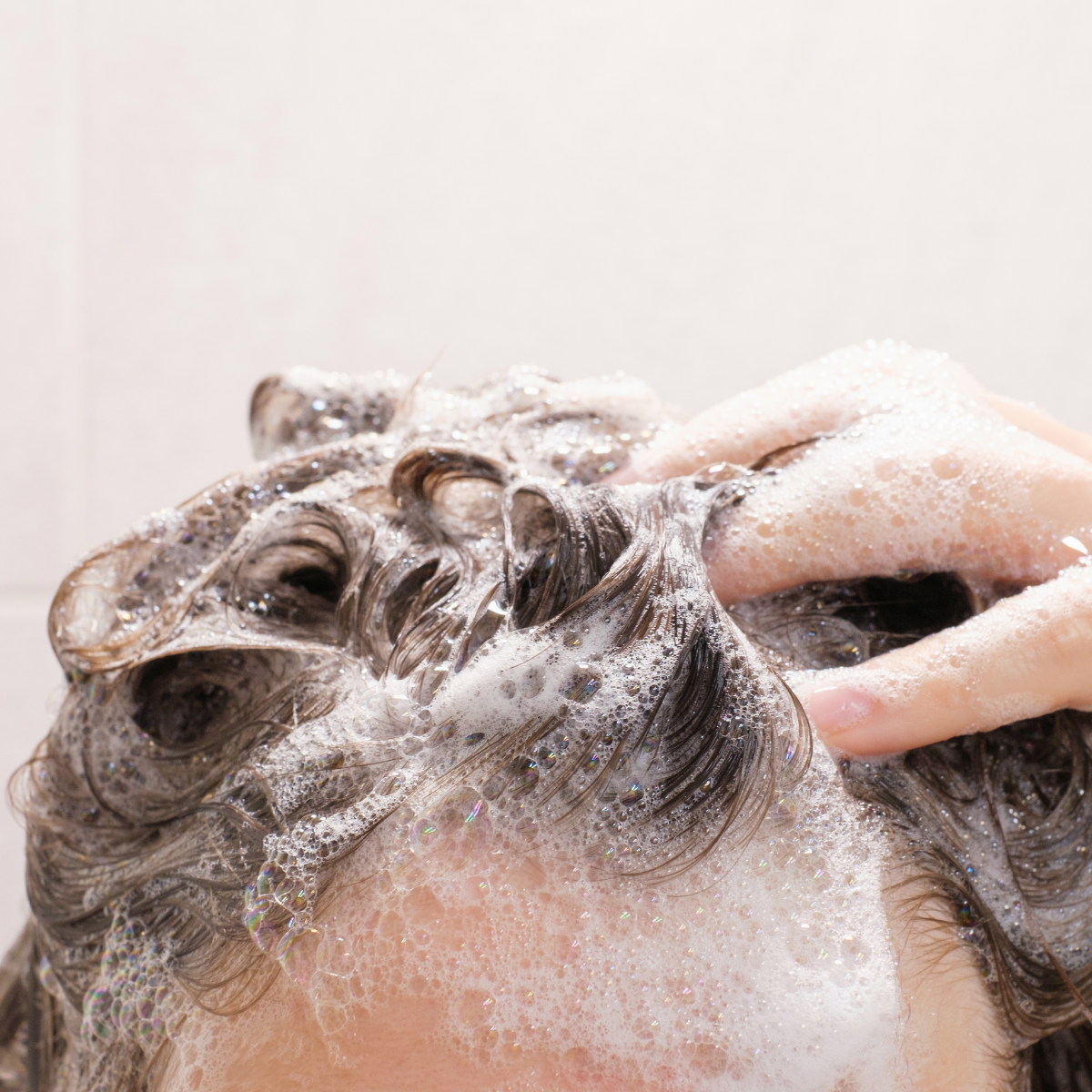
Shampoo cleanses the hair and scalp by lifting away oil, sweat, dirt, dead skin cells, and product residue. This cleansing process helps prevent buildup that can weigh hair down or cause scalp problems.
Proper shampooing supports the scalp’s natural microbiome by keeping it clean but not overly stripped of protective natural oils. Washing too infrequently may allow unhealthy buildup, while overwashing can lead to dryness, irritation, or imbalance. The right routine maintains scalp health, hair vitality, and an environment perfect for healthy hair growth.
As more people seek gentler routines, sulfate-free and naturally derived shampoos have gained significant traction. Unlike traditional shampoos, which often use strong detergents to create a foaming lather, these alternatives rely on milder surfactants and natural ingredients to cleanse hair with less risk of irritation or dryness.
Sulfate-free shampoos are particularly valued by those with sensitive skin, color-treated hair, or naturally curly and textured hair, as they help preserve moisture and keep the scalp more comfortable. Similarly, plant-based and oil-infused shampoos meet the demands of people interested in cleaner beauty and reduced synthetic additives.
This shift toward gentle, naturally derived options is not only popular among at-home hair care enthusiasts but is now a staple in many professional salons. The following sections will outline the reasons for choosing these alternatives and highlight popular botanical ingredients that support hair and scalp wellness.
Not every head of hair has the same needs, and that’s where specialized shampoos come into play. Today’s options extend far beyond basic cleansing, targeting everything from color maintenance and scalp care to increased volume and damage repair.
Color-treated hair requires gentle formulas that protect dyes from fading, while those battling dandruff or irritation benefit from medicated or antibacterial solutions. Fine or thinning hair calls for volumizing blends that lift roots without weighing hair down.
The rise in demand for tailored products means there is now a shampoo solution for just about every hair profile—straight, curly, thin, coarse, or chemically treated. In the sections ahead, readers will find expert guidance on picking formulas aligned with their unique hair goals and challenges for truly individualized results.
Concerns about plastic waste and ingredient transparency have sparked a movement toward solid and sustainable shampoo options. Shampoo bars and other solid products are designed to minimize packaging, extend shelf life, and often feature purer, more naturally derived ingredients than many conventional liquids.
Solid shampoos are compact, travel-friendly, and frequently devoid of synthetic preservatives or fillers. They pair well with conditioner bars and solid body wash bars, enabling users to create a streamlined, zero-waste bath routine.
These environmentally conscious choices are not just about sustainability—they promise effective cleansing and nourishment for a variety of hair types. The following insights help readers compare solid versus liquid shampoos and build cohesive solid care systems that work for both hair and skin.
Not everyone swears by conventional shampoo. In recent years, alternative cleansing methods have become popular, challenging traditional notions of what “clean hair” really means. The no poo movement, for instance, encourages minimizing or eliminating commercial shampoo use altogether.
Supportive strategies include water-only washing, using dry shampoo, or incorporating nourishing scalp oils for moisture and balance instead of frequent lathering. These methods can help preserve the scalp’s natural oils, reduce exposure to certain chemicals, and cater to individuals with unique hair care philosophies.
The appeal of these unconventional routines lies in their potential to reduce dryness, frizz, or irritation, especially for those with curly, textured, or highly sensitive hair. The sections ahead explain how these approaches work, what to expect, and when they might offer genuine benefits for different hair types and lifestyles.
The no poo movement advocates skipping commercial shampoos in favor of gentler methods, such as washing with just water or using simple kitchen staples like baking soda or diluted apple cider vinegar.
This approach is founded on the idea that shampoos can disrupt the scalp’s natural oil balance, potentially leading to dryness, irritation, or excess oiliness when overused. People may notice changes in hair texture, manageability, and scalp comfort as their natural oil production adjusts over time. No poo routines often require patience and experimentation to achieve optimal, personalized results.
Selecting the right shampoo starts with understanding your unique hair and scalp needs. Always consider your hair type—whether it’s fine, thick, straight, wavy, curly, or coily—along with your scalp’s oiliness or dryness. For example, fine hair usually benefits from lightweight, volumizing formulas, while curly or coily hair typically needs hydrating, sulfate-free cleansers to maintain moisture and reduce frizz.
A common mistake is over-washing, which strips essential natural oils and can leave hair dry and prone to breakage. Most people don’t need to wash hair daily; instead, adjust frequency based on your lifestyle, scalp health, and sweating habits. Swimmers or those with active routines may need gentle, frequent cleansing to remove chlorine or sweat without damaging the scalp.
Misidentifying hair type or ignoring scalp health is another pitfall. Look for scalp irritation, flakes, or buildup—these signs often mean the current shampoo isn’t right. Prioritize products that balance cleansing and moisture, and pay attention to ingredients that support scalp comfort, such as soothing oils or microbiome-friendly compounds.
For best results, avoid heavy formulas on fine hair and overly clarifying shampoos on dry or colored hair. Reading labels and trialing different formulas can help determine what works best. When in doubt, consult a salon pro, and remember healthy hair starts with choosing—and using—shampoo tailored to your needs.

Con más de 10 años de experiencia en la industria de la belleza y el cuidado del cabello, me apasiona ayudar a las personas a lograr un cabello saludable, fuerte y vibrante. He dedicado años a investigar y compartir consejos prácticos, desde la creación de rutinas efectivas de cuidado capilar hasta la realización de reseñas detalladas de productos. A través de este blog, mi objetivo es combinar mi conocimiento profesional con un enfoque cercano para guiarte en tu camino hacia el mejor cabello que hayas tenido.

Discover the best professional hair styling tools for salon-quality results at home or in the studio....
Alfaparf Evolution of the Color is a professional permanent hair color designed to deliver intense, long-lasting...
Professional RefectoCil brow and lash tinting products for customized eyebrow tinting, lash tinting, and salon-ready color...